What is the Discharge Method of the Horizontal Mixer
When it comes to efficient mixing, the discharge method of a horizontal mixer plays a bigger role than you might think. From manual gate valves to pneumatic discharge systems, every design impacts how fast, clean, and consistent your final blend will be. Explore how the Audop Horizontal Mixing Machine ensures smooth, residue-free discharge for all types of materials—powders, granules, and pastes alike.
When you look at a horizontal mixer, also known as a ribbon blender, it might seem like a simple piece of equipment—a big rotating barrel with blades inside. But anyone who has used one knows there’s an art to how it works, especially when it comes to discharging the mixed material. In fact, the discharge method plays a crucial role in how efficiently and cleanly the mixer operates.
Let’s take a closer look at how this process works and why it matters so much.
1. The Basic Structure Behind the Discharge
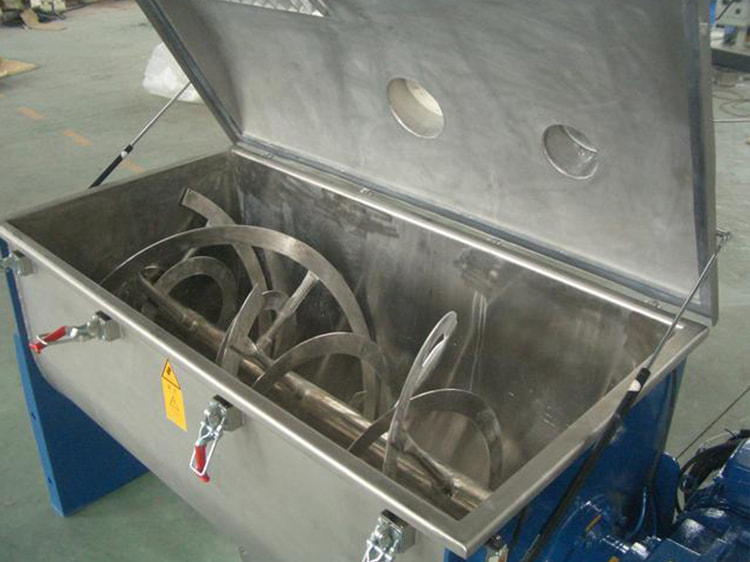
A horizontal mixer typically consists of a U-shaped trough, a rotating ribbon or paddle agitator, and an outlet at the bottom. The job of this outlet is simple in theory: to release the finished mixture once the process is done. But depending on what kind of material you’re mixing—powder, granules, or paste—the discharge method needs to be chosen carefully.
The most common discharge design in a horizontal mixer is a bottom discharge valve. This can be a manual or pneumatic valve that opens to let gravity do the work. For light powders, the flow is smooth and quick. For sticky or dense materials, you may need a little extra help from the rotating blades to push the mixture out completely.
2. Common Discharge Methods Explained
There are a few popular discharge mechanisms you’ll encounter in modern Horizontal Mixing Machines:
Manual Gate Valve:
Simple and cost-effective, this method involves opening a sliding gate at the bottom of the tank. It’s ideal for small batches or dry powders but can be labor-intensive for heavy materials.Pneumatic Discharge Valve:
In more advanced systems, the discharge gate is controlled by air pressure. With the push of a button, operators can open or close the valve smoothly, which saves time and ensures consistent operation—perfect for automated production lines.Full-Length Bottom Discharge:
Some mixers feature a discharge door that spans the entire bottom of the trough. This design allows for fast, complete emptying and minimizes material residue. It’s especially useful for color-sensitive or multi-batch production lines where cross-contamination must be avoided.Tilting Discharge System:
Less common but quite effective, this involves tilting the entire mixer body to pour out the contents. It’s often used for sticky or high-viscosity materials that don’t flow easily through valves.
3. Why the Discharge Design Matters
The right discharge method affects not just efficiency, but also product quality, cleanliness, and safety. A poorly designed outlet may leave behind residues, causing contamination or inconsistent mixtures in the next batch. In contrast, a well-engineered discharge system ensures that every bit of material leaves the chamber cleanly and quickly.
When choosing a mixer, it’s worth checking the design details. High-quality options, like the Horizontal Mixing Machine from Audop, are built with precision discharge valves that handle even complex materials efficiently.
4. Practical Tips for Better Discharge
Clean regularly: Residues around the discharge gate can cause blockage or uneven flow.
Check sealing performance: A tight seal prevents leakage and protects the mixture from contamination.
Match the discharge size to your material type: Fine powders require narrower openings, while coarse granules or pellets benefit from wider gates.
Automate if possible: Pneumatic or motorized discharges not only save labor but also ensure consistent timing for batch processing.
Conclusion
The discharge method might seem like a small detail, but in mixing technology, it’s a game changer. Whether you’re handling fine powders, sticky pastes, or fragile granules, a well-designed discharge system ensures your product leaves the mixer in perfect condition—clean, consistent, and ready for the next step.
If you’re exploring reliable solutions, check out the Horizontal Mixing Machine by Audop. With its robust structure and efficient discharge system, it’s a great example of how smart engineering can make a big difference in everyday production.
What Are the Preparatory Steps and Working Procedures for a Mixer
Efficient mixing starts with proper preparation,precise operation,and careful maintenance.Learn key steps to ensure consistent,high-quality blending.
How to Choose a High-Speed Mixer
Learn how to choose the right high-speed mixer for your production line.Compare types,materials,and features to find the best industrial mixer for your needs.

Main Factors Affecting Mixing Time in High Speed Mixing Machines
Improve your production efficiency with the Audop High Speed Mixing Machine.Learn the key factors that affect industrial mixing time-material properties,blade design,batch size,temperature control,and operator settings-to achieve faster,more consistent mixing results.
Advantages of SRL-Z Series Vertical Mixing Unit
Discover the advantages of the SRL-Z Series Vertical Mixing Unit-a high-efficiency,durable,and energy-saving mixing system designed for PVC,and plastic material production.Learn how this advanced hot and cool mixing unit from Audop improves uniformity.
Why Are High-Speed Mixers So Widely Used
Discover why high-speed mixers are essential in modern manufacturing.Learn how the Audop High Speed Mixing Machine delivers fast,consistent,and efficient performance across plastics,chemicals,and food industries.